

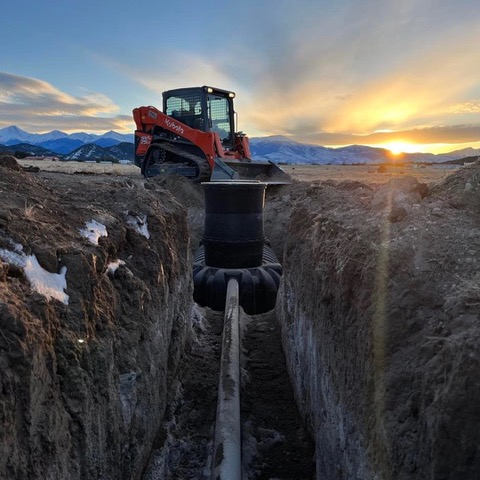
Utilities & Septic Systems
Septic installation, repair, and pumping plus underground utility trenching — the infrastructure you never see, placed to never need thinking about.
From the field · Utilities & Septic Systems
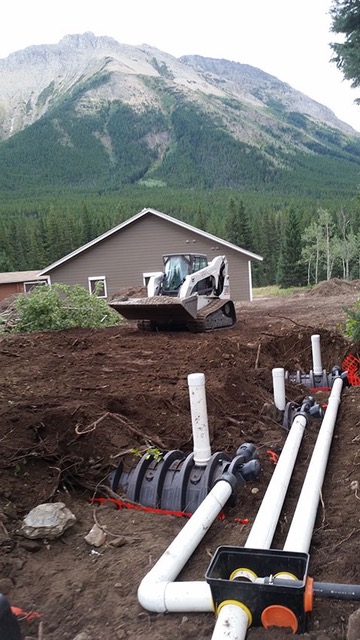
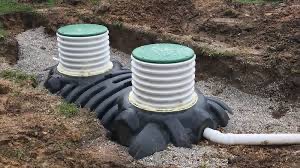
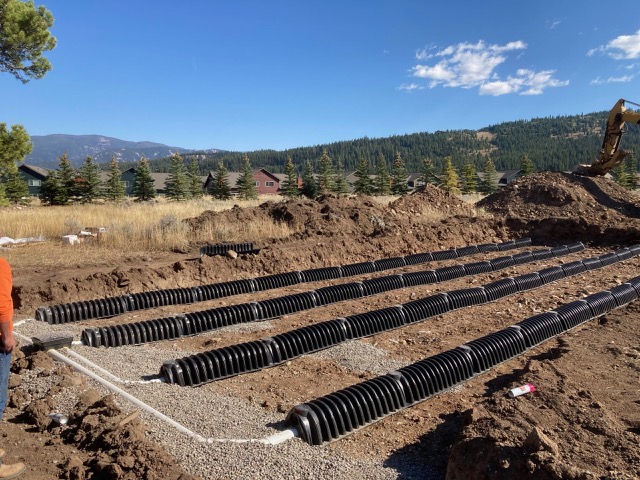
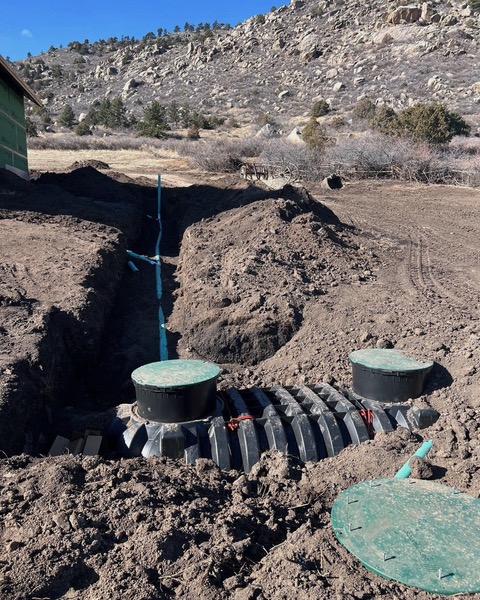
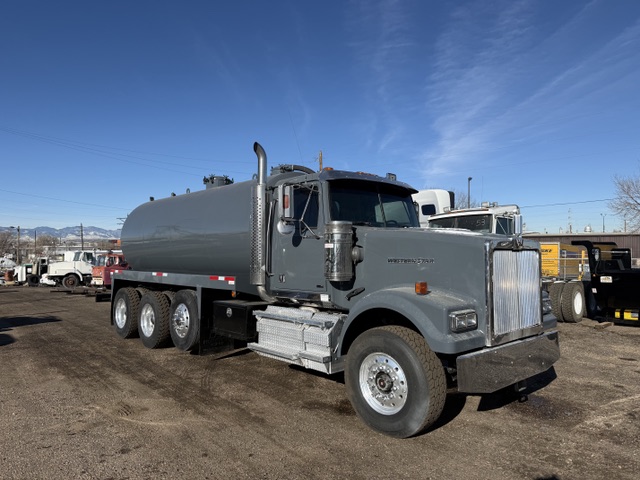
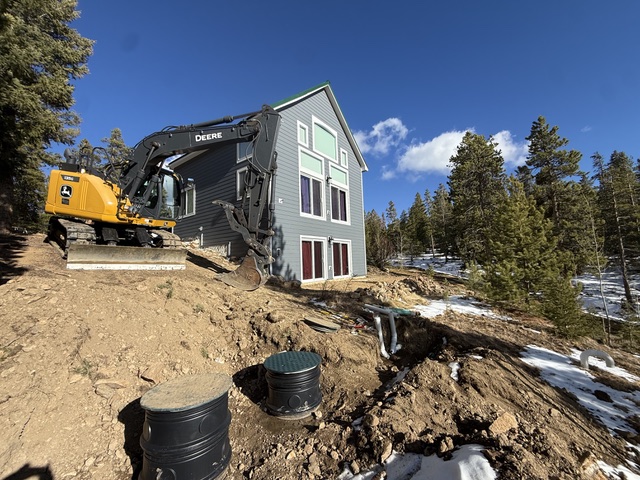
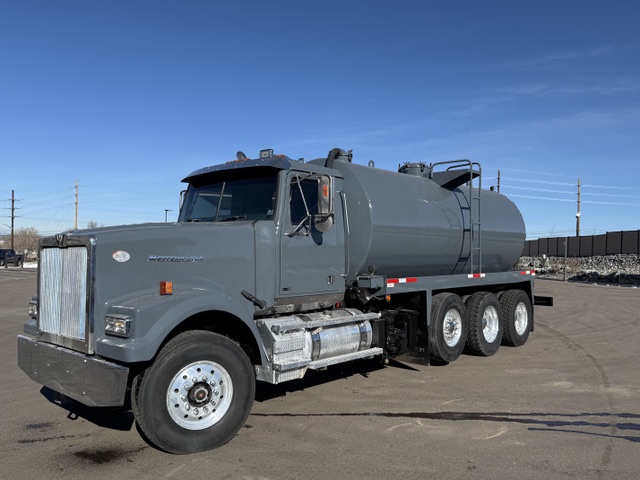
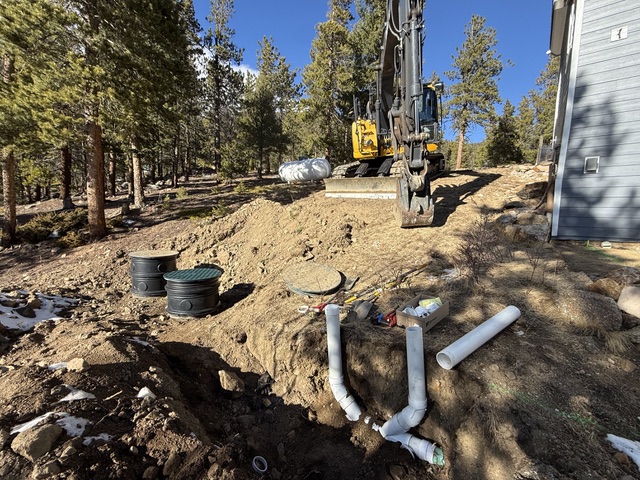
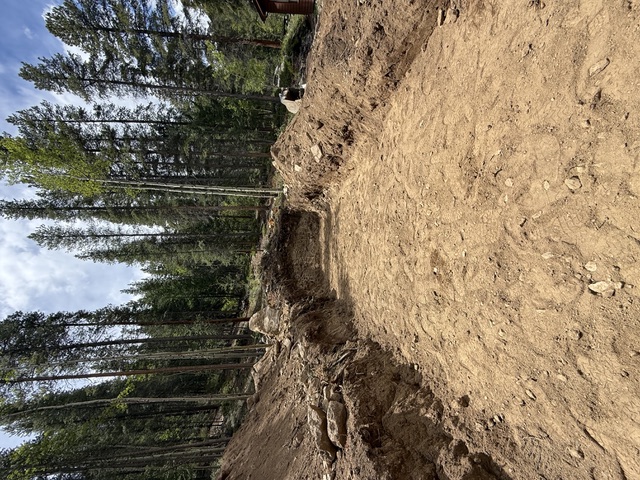
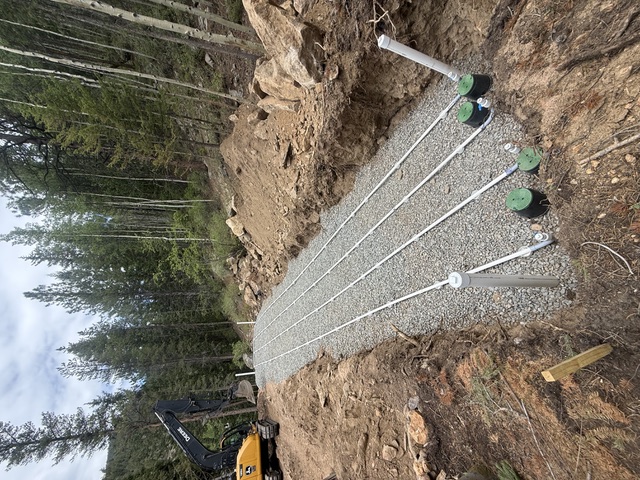
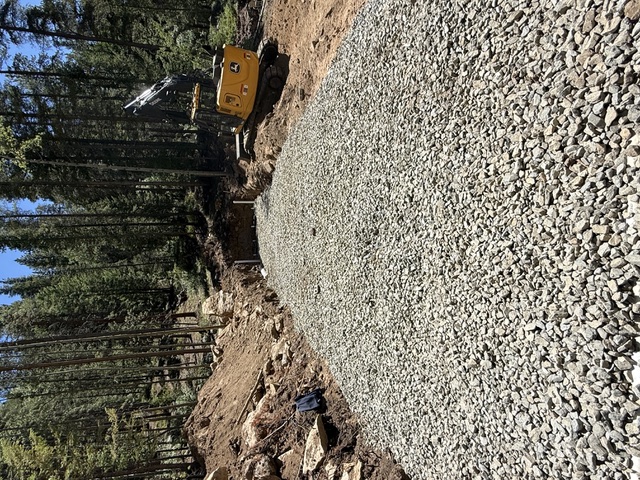
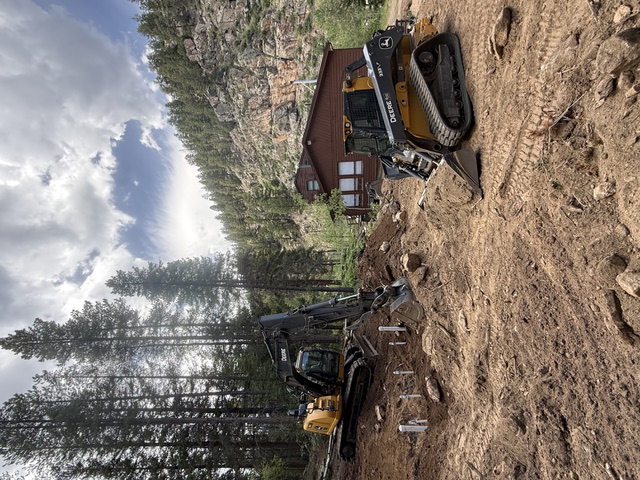
Out of sight shouldn't mean out of mind. We size, permit, and bury your septic and utilities to code so the next call isn't an emergency.
Capabilities
- Utility trenching — water, sewer, electric
- Sewer line installation & repair
- Water system & drainage solutions
- Septic pumping & clean outs
- Underground utility placement
Built for Colorado
Permits, soil, and setback rules shift from Jefferson County to Park County. We handle the install, the repair, and the pumping — sized to your parcel, permitted to your county, and buried to code so it never becomes an emergency.
Ready to move?
Start with a real assessment.
Tell us the scale, the goal, and the urgency. We'll come back with a real plan — not a canned reply.
Configure your projectSeptic and Underground Utilities for Colorado Mountain Property
Septic systems and underground utilities are the infrastructure you never see — and the work that, done wrong, becomes the most expensive emergency on your property. At Hilltop Mountain Services, we install, repair, and maintain septic systems and run the underground utility trenching that every mountain property depends on, across the Front Range and the high country. We handle the permitting, the soil, the setback, and the install so the system below ground is the part of your property you never have to think about.
Our septic and utility work covers new septic system installation, septic repair and pumping, sewer line installation and repair, water system and drainage solutions, and the underground utility placement — water, sewer, and electric — that has to land before the trench gets backfilled. We also handle the clean-outs and the maintenance that keeps an existing system from becoming a failure.
What you get is infrastructure sized to your parcel, permitted to your county, and buried to code — the part of the mountain property that, when it is done right, you genuinely never think about again.
Why Septic Work Is County-Specific in Colorado
Septic in the Colorado mountains is not one job — it is a different job in every county. Jefferson County, Park County, and Clear Creek County each have their own rules on soil evaluation, system sizing, setback from wells and property lines, and what type of system is allowed on what kind of lot. A system that is perfectly legal in one county is not allowed in the next, and a system that passes in one soil can fail the same design in another.
The soil is the other variable. Mountain lots sit on a mix of clay, decomposed granite, and rock that each take a different system — conventional, engineered, or alternative. Sizing a system wrong for the soil or the occupancy is how you end up with a leach field that fails in the first wet season and a repair bill that is larger than the original install.
That is why we handle the permit and the soil piece with the install, not as an afterthought. The system that gets built is the system your county and your soil actually allow, sized for the way your household actually uses water.
What We Do
New septic system installation — site evaluation, system sizing and design coordination, permitting, and the full install of the tank and the leach field, built to your county and your soil. We do not drop a one-size system and hope it passes; we install what your parcel actually needs.
Septic repair and pumping — diagnosing the failure, fixing the component that failed, and the pumping and clean-outs that keep an existing system healthy. Most septic failures are preventable with the right maintenance, and we will tell you what that looks like for your specific system.
Sewer line installation and repair, water system and drainage solutions, and underground utility placement — the water, sewer, and electric trenching that has to go in before the ground gets closed up. We trench to the depth and the setback your county expects, and we backfill so the trench does not become a soft spot or a settlement problem later.
How We Run a Septic or Utility Project
A septic project starts with the soil and the permit, not the tank. We look at the parcel, the perk where it is required, the setback to wells and lines, and the occupancy the system has to serve. We coordinate the design and the permit with the county so the install is the system that is actually allowed on your lot.
From there we excavate the tank and the field, set the tank, lay the leach field per the design, and connect to the structure. We backfill, grade, and seed so the install does not leave a scar or a low spot that collects water. On repairs we diagnose before we dig — because the most expensive part of a septic repair is digging in the wrong place.
On underground utilities we trench, lay, and backfill to the depth and the compaction your county and your soil expect, and we mark and document where everything is so the next project on the property is not a guessing game.
Permitting, Soil, and Standards
We install to the system type and the sizing your county allows — conventional trench, bed, chamber, engineered, or alternative — based on the soil and the occupancy. We do not talk you into a system your county will not approve, and we do not undersize a system to hit a price, because an undersized leach field is a failure waiting for the first wet season.
Setbacks are not optional. The distance to your well, your property line, and your structure is what keeps your water clean and your permit valid, and we build to it. On repairs we bring the failed component up to current code where the county requires it, not just back to what was there.
And we document the install — where the tank is, where the field is, where the clean-outs sit — so the next time the system needs service, you are not paying someone to find it. A septic system you cannot locate is a system that costs more every time it is touched.
Where We Run Septic and Utility Work
Our septic and underground utility work runs the central Front Range and the high country — Pine, Conifer, Evergreen, Bailey, Idaho Springs, Georgetown, Golden, Morrison, Fairplay, Buffalo Creek, Bergen Park, and Genesee. We work on residential, ranch, and small commercial parcels across that band.
Knowing the county matters more for septic than for almost any other trade. We know what Jefferson County wants for soil evaluation, what Park County allows for system type, and what the local health department expects before sign-off — which means your install is the system that gets permitted, not the system that gets denied.
If your parcel is in our territory and you are not sure what your soil or your county will allow, the first call is a site evaluation. We will tell you what is possible on your lot before you spend money on a design that cannot be built there.
Questions to Ask Before You Hire a Septic Contractor
Ask whether the contractor handles the permit and the soil evaluation or leaves that to you. A septic install without the permit and the soil piece sorted first is an install that can get stopped mid-job. Ask what system type your lot actually allows and why — because the right answer depends on your soil, not the contractor's preference.
Ask about setbacks — to your well, your property line, your structure. If the answer is loose, your water and your permit are both at risk. Ask whether the repair will bring the failed component up to current code or just patch it back to what was there.
And ask whether the install will be documented — tank and field locations, clean-outs, and the layout. A contractor who leaves you guessing where your system is has cost you money on every future service call. We hand you a record of what is in the ground.
Start Your Septic or Utility Project
If you are installing a new septic system, repairing one that is failing, or running the underground utilities for a new build or an addition in the Colorado mountains, we will look at the parcel and give you a real plan — soil, permit, system type, and install. Tell us the property and the scope, and you will get an assessment from a crew that knows your county's rules before we dig.
Call 720 602 5060 or use the project configuration on the contact page. We install septic and underground utilities across the Front Range and the high country that stay below ground, stay to code, and stay out of your way.
From the field
Real work, not stock.
Septic & Utilities — photographed from our own jobs.